
How Do You Know If Your AWS Architecture Is Well-Designed?
Knowing if your AWS architecture is well-designed isn't a matter of opinion, it's a matter of measurement against a proven standard. AWS provides the definitive framework for this evaluation, designed to help you identify risks and prioritize improvements through a structured, constructive review of your architecture.
The process of reviewing an architecture is not an audit; it's a conversation. Its purpose is to identify critical issues and areas for improvement, not to assign blame. The ultimate goal is to improve your system's architecture so that it can better support your business needs.
Cloud Architecture
Create cloud architecture diagrams for AWS, Azure, GCP, and more. Design scalable infrastructure with professional cloud icons.
Evaluate AWS architecture against the Well-Architected Framework, six pillars, WAFR review process, diagram checklist, common mistakes, and tools to measure and improve your design.
Click Cloud Architecture to open AI Line Studio and generate diagrams from natural language in seconds.
The Framework: Your Blueprint for Evaluation
The definitive guide for assessing any AWS architecture is the AWS Well-Architected Framework. It provides a consistent approach to evaluating systems against the qualities you expect from modern cloud-based systems.
- Form a Cross-Functional Team: Include architects, engineers, security specialists, and finance stakeholders, not just technical teams.
- Define the Workload: Clearly identify the system, application, or infrastructure you are reviewing.
- Gather Documentation: Collect architecture diagrams and design notes. The goal is to prepare for a constructive conversation.
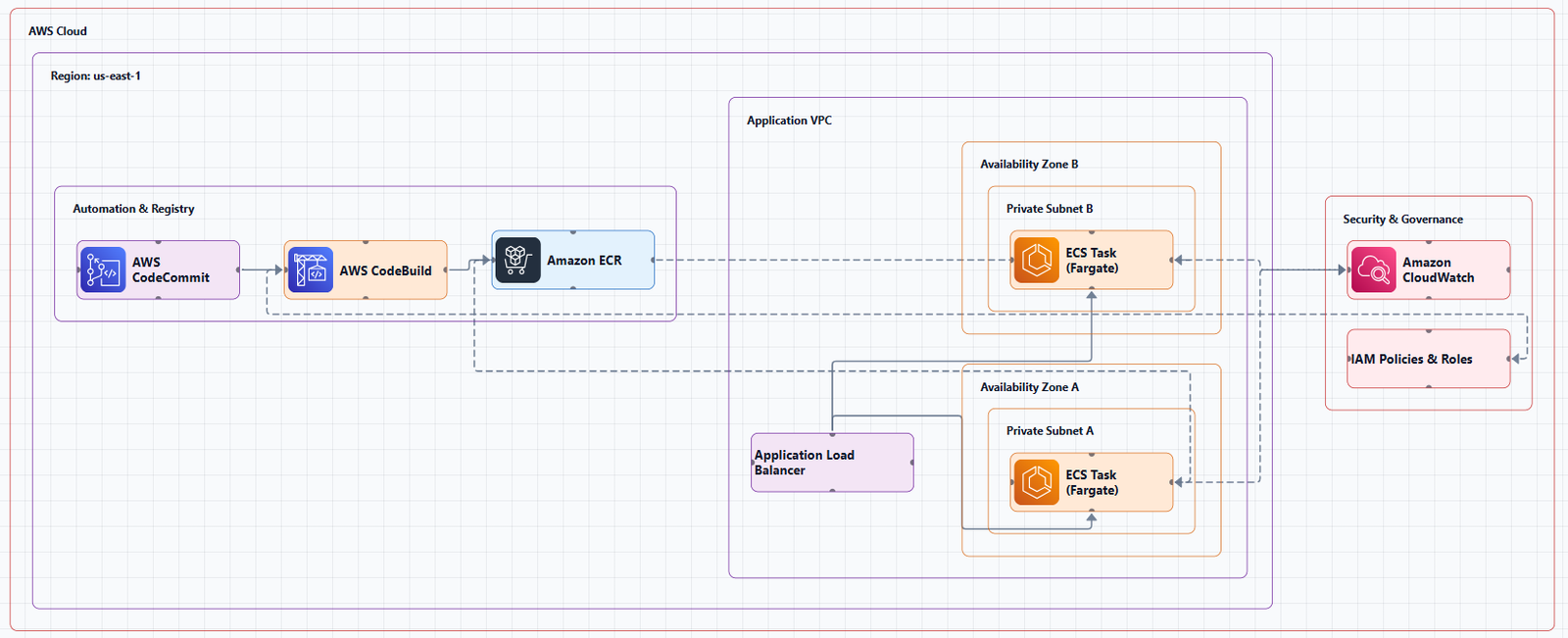
The framework is organized around six pillars. A well-designed architecture demonstrates strength in all of them:
- Operational Excellence: The ability to run and monitor systems to deliver business value and continually improve supporting processes and procedures.
- Security: The ability to protect information, systems, and assets while delivering business value through risk assessments and mitigation strategies.
- Reliability: The ability of a workload to perform its intended function correctly and consistently when expected. As one practitioner puts it, this is about ensuring a system "doesn't break, and if it does, it can be fixed quickly".
- Performance Efficiency: The ability to use computing resources efficiently to meet system requirements, and to maintain that efficiency as demand changes and technologies evolve.
- Cost Optimization: The ability to run systems to deliver business value at the lowest price point. This is an engineering capability, not a quarterly budget ritual.
- Sustainability: The ability to minimize the environmental impacts of running cloud workloads.
The Review Process: A Step-by-Step Guide
To know if your architecture is well-designed, you must perform a Well-Architected Framework Review (WAFR). This process follows three main phases:
Phase 1: Prepare
Preparation is key. This phase involves assembling the right team and gathering the necessary information.
Phase 2: Review
This is the core of the process. The architecture improvement process starts by reviewing the current architecture and comparing it against best practices. This is done by answering a set of foundational questions for each pillar.
- Use the AWS Well-Architected Tool: This free service in the AWS Management Console provides a structured way to answer questions, track findings, and create improvement plans.
- Ask the Foundational Questions: The questions are designed to verify that a specific best practice is implemented in your architecture or not.
- Identify Risks: Based on your answers, the tool helps you identify areas that represent high, medium, or low risks to your architecture.
- Embrace a Blame-Free Approach: The review should be a lightweight process (hours, not days) that is a conversation, not an audit.
Phase 3: Improve
This is where you turn your findings into action.
- Create an Improvement Plan: Prioritize risks based on their business impact. You will then have a list of issues to address, each with a recommended remediation.
- Prioritize High-Risk Issues First (HRIs): Focus on the findings with the most significant potential impact.
- Iterate: As you address issues, update your review to see how the architecture is improving. A review should not be a one-time snapshot.
A Checklist for Your Architecture and Diagrams
A well-designed architecture is also reflected in its documentation. Use this checklist to evaluate your architecture diagrams, a common point of failure in reviews.
Architecture Diagram Checklist
- Includes All Key Components: Does the diagram include all key components (e.g., VPC, subnets, load balancers, EC2 instances, S3 buckets)?
- Shows Network Boundaries: Does it emphasize VPCs, subnets, and network boundaries clearly?
- Includes Security Groups and NACLs: Are security groups and network ACLs visible?
- Uses Official Icons and Clean Layout: Are you using official AWS icons with white or light-gray backgrounds for a clean reviewer experience? Are you following spacing guidelines (e.g., 180px horizontal / 120px vertical gaps) to prevent overlap?
- Uses Action Flow Diagrams: Does it show how user actions flow through your system with request/response flow and labeled arrows?
- Uses a North-South Orientation: Does the diagram follow the convention of external users/internet at the top and internal resources at the bottom?
Common Mistakes
Understanding common pitfalls can help you quickly identify weaknesses in your own architecture.
- Ignoring the Well-Architected Principles: Many cloud cost failures happen precisely because teams misunderstand or selectively ignore these principles.
- Outdated or Handwritten Inventories: Using handwritten or outdated inventory sheets risks misalignment with AWS security principles.
- Not Including Security from Day One: Failing to include security stakeholders from the beginning can lead to architectures that don't follow security best practices.
Tools and Resources
- AWS Well-Architected Tool: The primary tool for conducting your review.
- AWS Well-Architected Framework Whitepaper: The definitive guide to the framework.
- AWS Well-Architected Labs: A repository of code and documentation to give you hands-on experience implementing best practices.
- AWS Architecture Icons: The official source for icons to use in your diagrams.
- AI Line Studio: An AI-powered tool that can help you quickly generate and refine your architecture diagrams, ensuring they are clear, accurate, and adhere to best practices. The AI cloud diagram generator and AI architecture diagram builder facilitate rapid iteration and collaboration, which is essential for maintaining up-to-date documentation.
Final Thoughts
In short, you know your AWS architecture is well-designed if it successfully passes a Well-Architected Framework Review. The goal is not perfection, but a continuous cycle of learning, measuring, and improving to ensure your systems are secure, reliable, efficient, cost-effective, and sustainable.