
AI state diagram generator
Create clear and structured state diagrams instantly using AI. AI Line Studios is a state diagram generator that converts your system behavior, logic, and transitions into visual diagrams in seconds.
Whether you are designing finite state machines, UML state diagrams, or system workflows, you can generate state diagrams from simple text input without manual drawing.
Create cloud architecture diagrams for AWS, Azure, GCP, and more. Design scalable infrastructure with professional cloud icons.
Create clear and structured state diagrams instantly using AI. AI Line Studios converts your system behavior and transition logic into visual state diagrams in seconds.
Generate UML state diagrams and finite state machine flows from plain text, then refine instantly with one-click edits.
What is a State Diagram Generator
A state diagram generator is a tool that converts system logic, events, and transitions into visual diagrams that represent states and their relationships.
AI Line Studios enables you to generate diagrams that include states, transitions, conditions, and events. It removes the need to manually draw state machines and ensures clarity and correctness.
Generate State Diagrams from Text
With AI Line Studios, you can describe your system behavior and instantly generate a structured state diagram.
You can:
- Create UML state diagrams from text
- Visualize state transitions and logic
- Generate FSM, DFA, NFA, and system state diagrams
- Represent conditions and event-driven flows
- Edit nodes and transitions instantly
- Avoid manual diagram tools
This makes it a powerful state diagram generator for students, developers, and engineers.
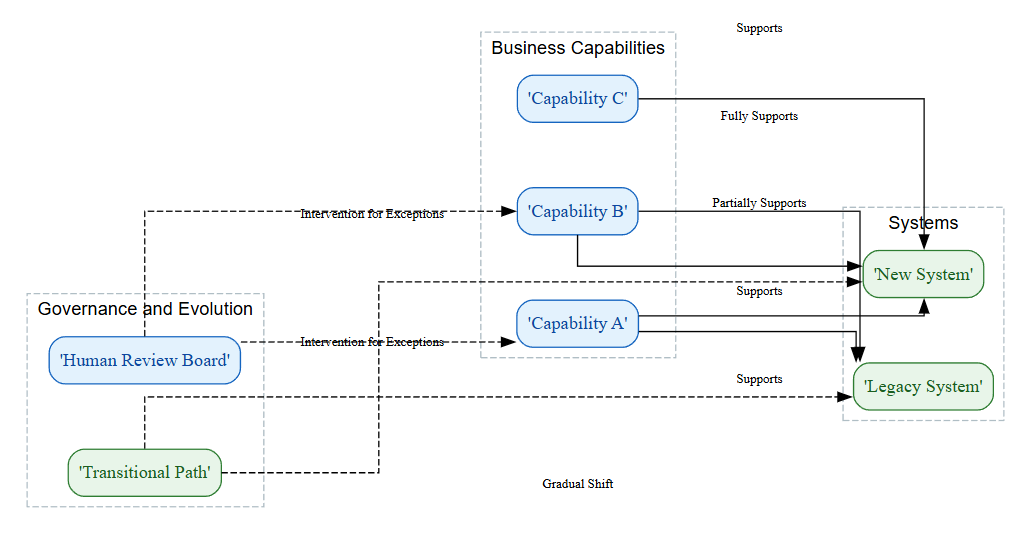
What you can generate
Generate complete diagrams with nodes, labels, and connections tailored to your scenario.
How to start
Describe your system in plain language, review the output, and refine instantly with one-click edits.
How to Create a State Diagram using AI Line Studios
Follow these steps carefully to generate your state diagram:
Step 1: Open AI Line Studios
Go to your browser and search for ailinestudio.com. Open the website to access the platform.
Step 2: Sign Up and Log In
Click on the Sign Up button on the top right corner. Log in using your Gmail account.
Step 3: Open Workspace
After logging in, you will be redirected to your workspace dashboard where all diagram tools are available.
Step 4: Select Concept Sketcher
Inside the workspace, locate and click on the Concept Sketcher option. This is the tool used for generating flow-based and logic-based diagrams such as state diagrams.
Step 5: Create a New Canvas
Click to create a new canvas and name it based on your system or state diagram.
Step 6: Describe Your State Diagram Scenario
In the input box on the top right, clearly describe your state transitions and system behavior.
Example:
User starts in idle state, moves to login state, upon successful authentication moves to dashboard, on logout returns to idle state
Step 7: Generate the Diagram
Click on Generate. Within 15 to 20 seconds, AI Line Studios will create your state diagram automatically based on your described transitions.
Step 8: Edit and Customize Instantly
Click on any state or transition to edit labels, colors, or structure. You can modify the entire diagram without writing any code.
Why Use AI Line Studios for State Diagrams
AI Line Studios removes manual diagram creation, generates structured state diagrams from text, supports real system logic and transitions, allows one-click editing, and produces diagrams quickly with high clarity and accuracy.
Explore all the other diagram generator
Frequently Asked Questions
A state diagram generator is a tool that creates diagrams representing system states, transitions, and events. AI Line Studios generates structured state diagrams automatically from text input, making it easy to visualize system behavior.